Recycling and Sustainability for Tarmac Driveway Cleaning
 Tarmac driveway cleaning can be done with a light environmental footprint when every disposal choice is planned. Our sustainability page explains how we minimise waste, support borough recycling schemes and deploy low-emission vehicles to reduce the carbon impact of driveway tarmac cleaning. From water recovery systems to careful separation of debris, each stage of the service is designed to fit within local circular-economy goals.
We set a clear recycling percentage target for all driveway surface cleaning projects: an operational goal of 85% recycling and reuse of non-hazardous waste, with an aspirational target of diverting 95% of materials away from landfill where possible. This target covers segregated materials such as stone grit, small aggregates, metals (drain covers, clips), plastics and recyclable packaging from on-site activities. Our approach complements borough-level waste separation policies, which commonly require residents and contractors to separate recyclables, organics and residual waste at source.
![A man wearing a checkered shirt and gardening gloves is kneeling in a garden, tending to a row of green leafy vegetables with reddish stems, possibly beetroot, in a well-maintained outdoor space. The garden features neatly organized beds with dark, rich soil, bordered by a paved pathway. In the background, there are additional planting areas and blurred greenery, suggesting a suburban or local community garden setting near [POSTCODE] or in [TOWN]. The scene is illuminated by natural daylight, indicating fair weather. The vegetables appear healthy and vibrant, complementing the overall impression of a tidy, productive garden supported by professional gardening services like those offered by Tarmac driveway cleaning. This outdoor space exemplifies sustainable gardening practices with a focus on edible plants and well-kept, accessible planting beds—elements typical of local gardening maintenance and landscaping efforts aimed at enhancing outdoor environments.](/pub/_photos/gardening/f1313163088.jpg) As contractors in mixed urban and suburban areas, we coordinate with local transfer stations and civic amenity sites. Typical partners include council-run transfer stations, regional depots and licensed private transfer facilities that process inert aggregates, oily rags and contaminated soils. By routing materials through these authorised transfer points we ensure compliance with waste regulations and create clean material streams that can go on to recyclers handling concrete, asphalt milling, and soil remediation.
As contractors in mixed urban and suburban areas, we coordinate with local transfer stations and civic amenity sites. Typical partners include council-run transfer stations, regional depots and licensed private transfer facilities that process inert aggregates, oily rags and contaminated soils. By routing materials through these authorised transfer points we ensure compliance with waste regulations and create clean material streams that can go on to recyclers handling concrete, asphalt milling, and soil remediation.
Practical Recycling Activities and Borough Coordination
At the heart of our program is practical recycling activity relevant to driveway and tarmac surface cleaning: water recycling systems that recover and filter wash water, mechanical separation of stone and silt, and segregation of contaminated absorbents. Many boroughs follow a commingled or kerbside-separated approach — for example, separate bins for glass, paper/card, mixed plastics and organics — and we mirror those separation routines on site so that materials leaving the property are already correctly sorted for onward treatment.
 We also engage in low-waste material handling: broken edging stones and small pieces of removed tarmac are cleaned and offered for reuse as sub-base material or donated to community landscaping projects. Listed below are some of the key circular activities we prioritise:
- Water reuse: filtration and recirculation systems that lower freshwater demand.
- Inert recycling: crushed aggregates and reclaimed stone fed into local construction-material loops.
- Hazardous segregation: oily residues and contaminated media processed via licensed hazardous-waste channels.
Local Partnerships, Charities and Community Benefit
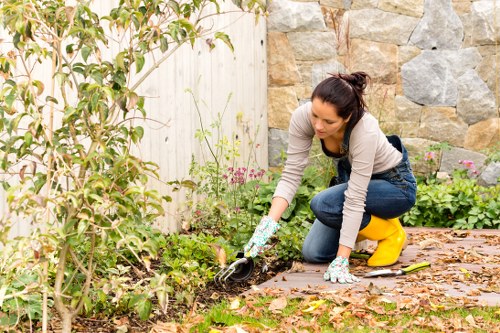
We maintain partnerships with charities and community groups to ensure useful reuse of materials. Donations of clean soil, reclaimed pavers and surplus edging materials support community gardening projects and local green-space restoration. Where materials cannot be reused directly, we work with social enterprises that convert suitable aggregates into paving for community pathways, or accept usable materials for training programmes.
 Keeping a low-carbon fleet is another central pillar. Our vans include Euro 6 diesel models, hybrids and fully electric vehicles deployed where route density and recharge infrastructure allow. Route optimisation software and telematics reduce unnecessary mileage, cutting both emissions and traffic impact. We prioritise low-emission logistics for urban drives, meaning driveway tarmac cleaning visits form part of a consolidated schedule rather than single isolated trips.
 Sustainability in practice also means transparency: we document the amount of material diverted from landfill per project, record volumes of water recycled on-site, and quantify fuel savings from our low-carbon vehicles. These metrics feed back into better planning and improved recycling outcomes. Our teams are trained to adapt to varying borough rules: some councils emphasise dry-sort separation, others use commingled systems; we align our sorting at source so the local authority collection or transfer station can accept the loads without cross-contamination.
Operationally, we apply simple but effective on-site measures: use of biodegradable detergents where cleaning agents are required, secure containment of oily run-off, and immediate segregation of recyclable waste into labelled containers. These small operational changes add up to big benefits — reduced disposal costs, higher recycling rates and fewer shipments to landfill or incinerators.
We also collaborate with local councils to take part in borough waste initiatives such as community reuse days and aggregate exchange platforms. This collaboration helps increase the return rate of reusable materials and supports municipal efforts to meet statutory recycling targets. In many boroughs, construction and demolition waste is a priority stream; our recovered inert material flows directly into those programmes wherever permitted.
Finally, our commitment is ongoing: continual improvement of our recycling targets, expanding charity partnerships, and upgrading to greener vehicles as technology improves. Whether labelled as tarmac drive cleaning, driveway tarmac cleaning or tarmac surface cleaning, our services embed sustainability into every job so customers get a clean driveway and the environment gets thoughtful, well-managed waste and resource handling.